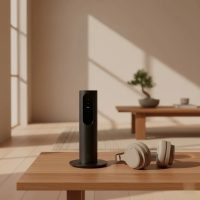
If you’re diving into the world of home entertainment, chances are you’ve heard about streaming sticks for TV. These small, mighty devices have revolutionized how we watch movies, TV shows, and access digital content. Even if you have a “smart TV,” a dedicated streaming stick can often offer a smoother, faster, and more versatile experience. As a software engineer and streaming stick expert, I’ve seen these gadgets evolve over a decade, and I’m here to guide you through everything you need to know, from choosing the right one to optimizing its performance.

What Exactly Are Streaming Sticks for TV?
At its core, a streaming stick is a compact media player that plugs directly into your TV’s HDMI port. Think of it as a brain for your television, transforming any HDMI-enabled display into a fully functional smart hub. These handy devices connect to your home Wi-Fi network, giving you instant access to a universe of streaming services like Netflix, Hulu, Disney+, Amazon Prime Video, YouTube, and countless others. For see our reviews recommendations on this site.
Why are they so crucial? Many older TVs lack smart features, and even newer smart TVs can feel sluggish or stop receiving updates over time. Streaming sticks breathe new life into existing hardware, provide a more user-friendly interface, and often boast more powerful processors for a snappier experience. They centralize your content, making it easier to find what you want without juggling multiple apps or remotes.
Popular Streaming Sticks for TV: A Head-to-Head Comparison
Choosing the right streaming stick for your TV can feel like navigating a maze, but don’t worry, I’ve broken down the key players that dominate the market. Each offers unique strengths tailored to different preferences and ecosystems.
Roku Streaming Sticks: Simplicity and Broad Content
Roku has long been a favorite for its incredibly intuitive interface and vast content library. Their devices, like the Roku Streaming Stick 4K, are renowned for their straightforward menus, making it easy for anyone to pick up and start streaming. Roku provides access to thousands of channels, including a substantial amount of free content through The Roku Channel. Many models support 4K, HDR, and even Dolby Vision, ensuring stunning picture quality. Their remotes are typically simple, often with dedicated service buttons, and many now include voice control for easy searching. The Roku ecosystem is platform-agnostic, meaning it plays well with almost all major streaming services.
Amazon Fire TV Sticks: Alexa Integration and Value
Amazon’s Fire TV Sticks, such as the Fire TV Stick 4K Max (2nd gen), are excellent for users deeply integrated into the Amazon ecosystem. They offer seamless access to Prime Video, Amazon Music, and can be easily controlled with Alexa voice commands, making them ideal for smart home enthusiasts. The Fire TV interface is rich with content discovery, though it can sometimes feel a bit more ad-heavy compared to Roku. These sticks often provide great value for their features, including 4K Ultra HD, Dolby Vision, HDR10+, and Dolby Atmos audio support, plus enhanced Wi-Fi 6 connectivity for smoother streaming.
Google Chromecast with Google TV: Smart Recommendations and Casting
|
Our Picks for the Best Streaming Stick in 2026
As an Amazon Associate I earn from qualifying purchases.
|
||
| Num | Product | Action |
|---|---|---|
| 1 | Roku Streaming Stick 4K - HDR & Dolby Vision Roku Streaming Device for TV with Voice Remote & Long-Range Wi-Fi - Free & Live TV |

|
| 2 | 4K HDR Smart TV Stick, Ultra-Portable Android 11 Media Player, Dual-Band 5G WiFi & Voice Remote 2GB RAM 16GB ROM H313 Quad-Core for Home Theaters and Smart TV Upgrades |
|
| 3 | Roku Ultra - Ultimate Streaming Player - 4K Streaming Device for TV with HDR10+, Dolby Vision & Atmos - Bluetooth & Wi-Fi 6- Rechargeable Voice Remote Pro with Backlit Buttons - Free & Live TV |
|
| 4 | Roku Express 4K+ - Roku Streaming Device 4K/HDR with Voice Remote, Free & Live TV |
|
| 5 | Roku Streaming Stick Plus 2025 - 4K & HDR Roku Streaming Device for TV with Voice Remote - Free & Live TV |
|
| 6 | 4K HDR Smart TV Stick, Ultra-Portable Android 12 Media Player, 2GB RAM 16GB ROM H313 Quad-Core, Dual-Band 5G WiFi & Voice Remote for Home Theaters and Smart TV Upgrades |
|
| 7 | GREVA Android TV Stick 4K Ultra HD Streaming Device, 2025 Latest Android 14.0 TV Stick with Voice Assistant Remote Control, RK3518 2GB 16GB 2.4G/5G WiFi6 BT 5.0 HDR Streaming Media Player for Smart TV |
|
| 8 | Roku Streaming Stick HD 2025 — HD Streaming Device for TV with Roku Voice Remote, Free & Live TV |
|
| 9 | Google TV Streamer 4K - Fast Streaming Entertainment on Your TV with Voice Search Remote - Watch Movies, Shows, Live TV, and Netflix in 4K HDR - Smart Home Control - 32 GB of Storage - Porcelain |
|
| 10 | ONN Android TV 2K FHD Streaming Stick with Remote Control & Power Adapter WiFi HDMI Chromecast Built-in |
|
Google’s Chromecast with Google TV stands out for its intelligent content aggregation. Instead of presenting a grid of apps, it focuses on personalized recommendations across all your subscribed services, making content discovery a breeze. It’s built on Google TV, offering a polished, app-rich experience. Of course, it also retains the classic Chromecast functionality, allowing you to “cast” content directly from your phone, tablet, or computer. With 4K HDR support, including Dolby Vision, and a voice remote powered by Google Assistant, it’s a strong contender, especially for Android users and those who appreciate smart content curation.
Apple TV 4K: Premium Performance for Apple Ecosystem Users
For Apple aficionados, the Apple TV 4K offers a premium streaming experience. While it typically comes at a higher price point, it delivers top-tier performance, exceptionally smooth navigation, and deep integration with Apple services like Apple Arcade, Apple Fitness+, and iCloud Photos. It supports 4K HDR with Dolby Vision and HDR10+, along with immersive Dolby Atmos audio. The Siri Remote is sleek and precise, and its integration with the Apple ecosystem means features like AirPlay and HomeKit work flawlessly. If you’re invested in Apple devices, the Apple TV 4K provides an unparalleled, high-end streaming experience.
Key Features to Look For in a Streaming Stick
When you’re shopping for streaming sticks for TV, the sheer number of options and technical jargon can be overwhelming. Let’s break down the essential features to consider to ensure you pick the perfect device for your setup.
Resolution (HD, 4K, Dolby Vision, HDR10+)
This is crucial for picture quality.
- HD (1080p): Standard definition, perfectly fine for older TVs or if you’re not concerned with the absolute sharpest image.
- 4K Ultra HD: Offers four times the pixels of HD, delivering incredibly sharp and detailed images, especially noticeable on larger screens. Most modern streaming sticks support 4K.
- HDR (High Dynamic Range): Enhances contrast and color accuracy, making scenes look more vibrant and realistic. Look for support for standards like HDR10+ and especially Dolby Vision, which offers superior dynamic metadata for scene-by-scene optimization. To truly benefit, your TV must also support these standards.
Voice Control and Smart Home Integration
Many streaming sticks now come with voice-enabled remotes. This feature lets you search for movies, open apps, control playback, and even adjust smart home devices using simple voice commands. Amazon Fire TV sticks integrate seamlessly with Alexa, while Chromecast with Google TV leverages Google Assistant, and Apple TV 4K uses Siri. If you have an existing smart home ecosystem, choosing a stick that integrates well can be a huge convenience.
App Ecosystem and User Interface
Consider which streaming services you use most. While major services are available on most platforms, some niche apps might be exclusive to one. The user interface (UI) is also important – do you prefer Roku’s simple grid, Google TV’s content-first approach, or Amazon’s discovery-heavy layout? A good UI makes navigating your content enjoyable, not a chore.
Performance and Wi-Fi Connectivity
A faster processor and more RAM mean smoother navigation, quicker app loading, and less buffering. Look for devices with updated Wi-Fi standards like Wi-Fi 6 or Wi-Fi 6E if your router supports them, as this can significantly improve connection stability and speed, especially in busy networks.
Portability and Power Options
Most streaming sticks are highly portable, making them great for travel. Many can even draw power directly from your TV’s USB port, reducing cable clutter. However, some higher-end models or those with older USB ports might require a wall adapter for sufficient power.
Setting Up Your Streaming Stick for TV: A Step-by-Step Guide
Getting your new streaming stick for TV up and running is a straightforward process, but following these steps will ensure a smooth setup experience.
- Unbox and Connect to TV: First, carefully unbox your streaming stick and its accessories. Locate an available HDMI port on your TV. Gently plug the streaming stick directly into the HDMI port. If the stick is too bulky and blocks other ports, some devices come with a short HDMI extender cable – use it!
- Power Up Your Stick: Most streaming sticks require external power. Use the provided USB cable and power adapter. Plug the small end of the USB cable into your streaming stick and the larger end into the power adapter, then plug the adapter into a wall outlet. Some sticks can be powered by your TV’s USB port, but for optimal performance and to avoid “low power” warnings, a wall outlet is usually recommended.
- Select the Correct TV Input: Grab your TV remote, turn on your TV, and press the “Input” or “Source” button. Cycle through the inputs until you find the HDMI port where your streaming stick is connected. You should see the streaming stick’s logo or a setup screen appear.
- Pair Your Remote: If your remote isn’t automatically paired, follow the on-screen instructions. For many devices, this involves inserting batteries and holding a pairing button (often found inside the battery compartment) until the remote connects.
- Connect to Wi-Fi: Your streaming stick will scan for available Wi-Fi networks. Select your home network from the list, enter your Wi-Fi password using the on-screen keyboard, and connect. If you don’t see your network, try restarting your router and the streaming stick.
- Software Updates and Account Activation: Once connected, the device will likely check for and download the latest software updates. This is crucial for optimal performance and security. After updates, you’ll be prompted to sign in or create an account for your streaming platform (e.g., Roku account, Amazon account, Google account). Follow the on-screen prompts; you might need to use a web browser on your phone or computer to complete the activation. Once activated, you can start downloading your favorite apps and streaming!
Optimizing Performance and Troubleshooting Common Streaming Stick Issues
Even the best streaming sticks for TV can encounter a hiccup or two. Here’s how to keep your device running smoothly and tackle common problems head-on.
Dealing with “No Signal” or No Power
If your TV shows “No Signal” or your stick isn’t turning on, start by checking all connections. Ensure the streaming stick is firmly plugged into the HDMI port and its power source. Try a different HDMI port on your TV or a different wall outlet for power. Confirm your TV is set to the correct HDMI input. “Sometimes, the simplest solutions are the most effective. Always double-check your power and HDMI connections first,” advises Clara Jenkins, Lead Streaming Device Analyst at TechStream Reviews.
Resolving Wi-Fi Connection Problems and Buffering
A stable Wi-Fi connection is paramount for smooth streaming.
- Check your network: Ensure your Wi-Fi router is working correctly and other devices can connect.
- Restart everything: Unplug your router, wait 10-15 seconds, plug it back in, and then restart your streaming stick (unplug it from power for a few seconds).
- Move closer: If possible, position your streaming stick closer to your Wi-Fi router, or consider using an HDMI extender to move the stick away from the back of the TV, as the TV itself can sometimes cause interference.
- Update software: Ensure your streaming stick’s software is up to date, as updates often include connectivity improvements.
When Your Remote Isn’t Working
If your remote becomes unresponsive, try these steps:
- Replace batteries: This is the most common fix.
- Re-pair the remote: Many remotes have a pairing button (often in the battery compartment). Follow your device’s instructions to re-pair it.
- Check for interference: Ensure there are no physical obstructions between the remote and the stick.
- Use the mobile app: Most streaming platforms offer a mobile app that can function as a remote, which can be a lifesaver for troubleshooting.
Overheating Concerns
If your streaming stick feels hot or you experience performance issues, overheating might be the culprit.
- Ventilation: Ensure the stick is in a well-ventilated area, not crammed behind your TV. Using an HDMI extender can help improve airflow.
- Power source: Avoid powering the stick solely from your TV’s USB port, as it might not provide sufficient, consistent power, leading to strain. Use the wall adapter instead.
App Crashing or Freezing
Apps can occasionally misbehave.
- Restart the app: Go back to the home screen and restart the problematic app.
- Restart the stick: Perform a system restart from the device’s settings menu, or unplug and replug the stick.
- Update the app/stick: Make sure both the app and your streaming stick’s operating system are fully updated.
- Reinstall the app: If issues persist, try uninstalling and then reinstalling the app.
Maximizing Your Entertainment: Essential Apps for Streaming Sticks
One of the greatest advantages of streaming sticks for TV is the sheer volume of content at your fingertips. Beyond the well-known services, there’s a world of apps waiting to enhance your entertainment. Here’s a quick rundown of categories and examples:
- Premium Streaming Services: Netflix, Disney+, Hulu, HBO Max (now Max), Apple TV+, Paramount+, Peacock. These offer exclusive shows, movies, and original content.
- Live TV Streaming: YouTube TV, Sling TV, Hulu + Live TV, FuboTV. These services allow you to “cut the cord” from traditional cable while still enjoying live channels and sports.
- Free Streaming Platforms: The Roku Channel, Pluto TV, Tubi, Freevee, Crackle. These platforms offer a surprising amount of movies and TV shows for free, often supported by ads.
- Music Streaming: Spotify, Pandora, Apple Music, Amazon Music. Turn your TV into a giant Jukebox.
- News and Sports: Dedicated apps for major news outlets (CNN, Fox News) and sports networks (ESPN, NFL app) keep you informed and entertained.
- Utility & Lifestyle: YouTube for endless video content, Plex for organizing your personal media library, and even fitness apps or cooking channels.
Explore your streaming stick’s app store – you’ll be amazed at the variety available!
Expert Insight: Why Dedicated Streaming Sticks Still Rule
You might be wondering if a dedicated streaming stick is truly necessary when many modern TVs boast “smart” capabilities. From my vantage point as a long-time streaming device expert, the answer is a resounding yes.
“While smart TVs have made strides, dedicated streaming sticks consistently outperform them in longevity, updates, and sheer processing power. They offer a future-proof viewing experience that your TV’s built-in software often can’t match, preventing frustrating slowdowns and ensuring you get the latest features and security updates for years to come.” – Dr. Evelyn Reed, Chief Technology Editor, Tsauk.com
The difference often comes down to performance and support. Streaming sticks are built to do one job extremely well, featuring more powerful processors and better optimization for streaming apps. They receive more frequent and longer-lasting software updates compared to the built-in operating systems of many smart TVs, which can quickly become obsolete or plagued by intrusive ads. Plus, their portability means you can easily upgrade or swap devices without buying a whole new television.
Streaming Sticks for TV: Your Questions Answered (FAQ)
Q: Do I need a smart TV to use a streaming stick?
A: No, you do not need a smart TV. Any TV with an available HDMI port can be transformed into a smart TV with a streaming stick. The stick provides all the necessary “smart” functionality, connecting to the internet and hosting your apps.
Q: Are streaming sticks worth it?
A: Absolutely! Streaming sticks are an excellent investment. They are often more affordable than upgrading your entire TV, provide faster performance, receive more consistent software updates, and offer a more comprehensive and centralized streaming experience than most built-in smart TV platforms.
Q: What’s the difference between a streaming stick and a streaming box?
A: Both accomplish the same goal of delivering streaming content. The main difference is form factor. Streaming sticks are compact, plug directly into an HDMI port, and are often powered by USB. Streaming boxes are larger, connect via an HDMI cable, often include an Ethernet port for wired internet, and typically offer more processing power, storage, and additional ports (like USB for local media). For most users, a stick is sufficient, but a box might be preferred by power users or gamers.
Q: Can I take my streaming stick on vacation?
A: Yes, many streaming sticks are highly portable! They are designed to be easily unplugged and taken with you. As long as you have an HDMI-enabled TV and a Wi-Fi connection (like in a hotel or vacation rental), you can plug in your stick and access all your usual streaming services.
Q: How often should I update my streaming stick?
A: Streaming sticks typically update automatically in the background. However, it’s a good practice to occasionally manually check for updates in your device’s settings menu, especially if you’re experiencing performance issues. Keeping your software up-to-date ensures you have the latest features, security patches, and app compatibility.
Conclusion
Streaming sticks for TV are undeniably powerful tools for enhancing your home entertainment. Whether you’re looking to revitalize an older television, gain access to a wider array of apps, or simply enjoy a faster, more streamlined streaming experience, there’s a perfect device out there for you. By understanding the different types, key features, and how to set them up and troubleshoot, you’re now equipped to make an informed decision and fully unlock the vast world of digital entertainment. So go ahead, pick your stick, and prepare to elevate your viewing pleasure!
Get our weekly buyer guide
Practical specs, not advice. Unsubscribe anytime.