Welcome to the world of seamless home entertainment! If you’re looking to transform your TV into a smart hub packed with endless content, then a Roku Streaming stick is likely on your radar. These compact, powerful devices have revolutionized how we consume media, offering an incredibly user-friendly experience and access to a universe of shows, movies, live TV, and more. As your official tech editor at Tsauk.com, I’ve spent years immersed in streaming technology, and I’m here to guide you through everything you need to know about Roku streaming, ensuring you pick the perfect device and get the most out of it.
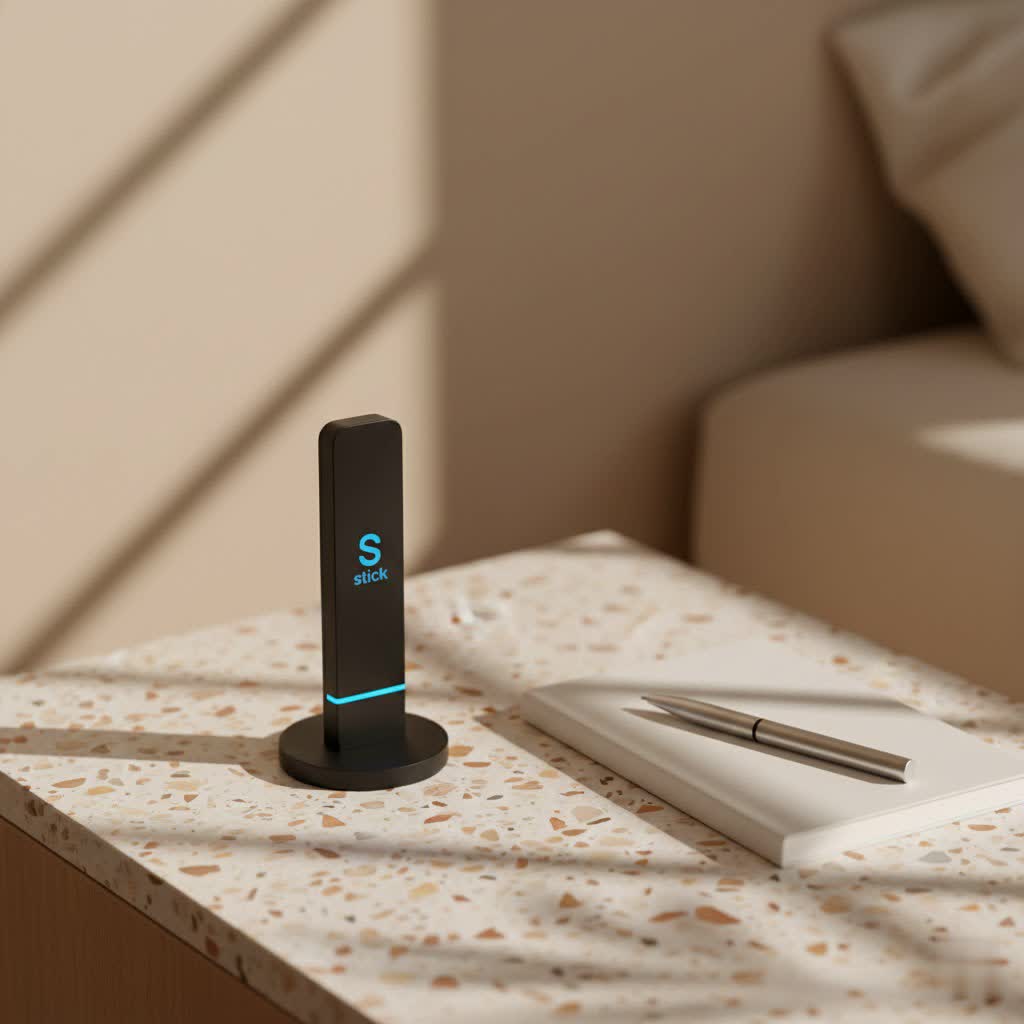
What is Roku Streaming and Why is it So Popular?
At its core, Roku streaming refers to using a Roku-branded device, typically a small, plug-and-play stick, to bring internet-based entertainment directly to your television. Think of it as a mini-computer for your TV, connecting you to streaming services like Netflix, Disney+, Hulu, and thousands of other channels. Roku has consistently held a top position in the streaming market, even being recognized as America’s #1 TV streaming platform. This popularity stems from several key factors: its intuitive Roku OS interface, its extensive library of available apps (known as “channels”), and its commitment to offering a significant amount of free content through The Roku Channel. It’s truly about making streaming simple and accessible for everyone.
Choosing Your Perfect Roku Streaming Stick: A Head-to-Head Comparison
Roku offers a range of streaming sticks, each designed to cater to different needs and budgets. Understanding the nuances between them is crucial for making the right choice.
Roku Streaming Stick 4K and 4K+
|
Our Picks for the Best Streaming Stick in 2026
As an Amazon Associate I earn from qualifying purchases.
|
||
| Num | Product | Action |
|---|---|---|
| 1 | ONN Android TV 2K FHD Streaming Stick with Remote Control & Power Adapter WiFi HDMI Chromecast Built-in |

|
| 2 | Roku Ultra - Ultimate Streaming Player - 4K Streaming Device for TV with HDR10+, Dolby Vision & Atmos - Bluetooth & Wi-Fi 6- Rechargeable Voice Remote Pro with Backlit Buttons - Free & Live TV |
|
| 3 | Google TV Streamer 4K - Fast Streaming Entertainment on Your TV with Voice Search Remote - Watch Movies, Shows, Live TV, and Netflix in 4K HDR - Smart Home Control - 32 GB of Storage - Porcelain |
|
| 4 | Roku Streaming Stick HD 2025 — HD Streaming Device for TV with Roku Voice Remote, Free & Live TV |
|
| 5 | 4K HDR Smart TV Stick, Ultra-Portable Android 12 Media Player, 2GB RAM 16GB ROM H313 Quad-Core, Dual-Band 5G WiFi & Voice Remote for Home Theaters and Smart TV Upgrades |
|
| 6 | Roku Express 4K+ - Roku Streaming Device 4K/HDR with Voice Remote, Free & Live TV |
|
| 7 | Roku Streaming Stick 4K - HDR & Dolby Vision Roku Streaming Device for TV with Voice Remote & Long-Range Wi-Fi - Free & Live TV |
|
| 8 | Roku Streaming Stick Plus 2025 - 4K & HDR Roku Streaming Device for TV with Voice Remote - Free & Live TV |
|
| 9 | GREVA Android TV Stick 4K Ultra HD Streaming Device, 2025 Latest Android 14.0 TV Stick with Voice Assistant Remote Control, RK3518 2GB 16GB 2.4G/5G WiFi6 BT 5.0 HDR Streaming Media Player for Smart TV |
|
| 10 | 4K HDR Smart TV Stick, Ultra-Portable Android 11 Media Player, Dual-Band 5G WiFi & Voice Remote 2GB RAM 16GB ROM H313 Quad-Core for Home Theaters and Smart TV Upgrades |
|
For those with 4K HDR televisions, the Roku Streaming Stick 4K or 4K+ is your go-to option. These devices are built to deliver stunning picture quality, supporting resolutions up to 4K, HDR10+, and even Dolby Vision on earlier generations (note that the 11th generation Streaming Sticks, introduced in April 2025, dropped Dolby Vision and long-range Wi-Fi on some models to focus on power efficiency and USB-C connectivity). The 4K models typically feature enhanced long-range Wi-Fi, which is a game-changer if your router isn’t close to your TV, ensuring a smoother, buffer-free experience. They also come with a voice remote that can control your TV’s power and volume, simplifying your setup. These sticks are ideal for avid streamers who demand the best visual fidelity and robust connectivity.
Roku Streaming Stick HD
If you have an older HD (1080p) television or are working with a tighter budget, the Roku Streaming Stick HD is an excellent and cost-effective choice. It provides access to the same vast library of content and the user-friendly Roku interface, just at a standard HD resolution. While it might not boast the advanced Wi-Fi capabilities or Dolby Vision support of its 4K counterparts, it still delivers a fantastic streaming experience for HD TVs. It’s perfect for casual viewers or for adding streaming capabilities to a secondary TV without breaking the bank.
Understanding Key Differences
When comparing Roku streaming sticks, several features stand out:
- Resolution: The most obvious difference is support for 4K, HDR, and Dolby Vision on premium models versus standard HD. Ensure your TV can actually display 4K content before investing in a 4K stick.
- Wi-Fi Range: Some 4K sticks offer enhanced long-range Wi-Fi, crucial for consistent streaming in challenging home network environments. Newer 11th gen sticks might have different Wi-Fi specifications.
- Voice Remote Capabilities: While most Roku remotes are straightforward, the voice-enabled remotes offer hands-free search and control, often including TV power and volume buttons. The Roku Voice Remote Pro (often with 4K+ models) even includes a rechargeable battery and a lost remote finder.
- Power Connectivity: While older models primarily used MicroUSB, the latest 11th generation Roku Streaming Sticks have transitioned to USB-C for power, offering more modern and convenient connectivity. Most sticks can be powered directly from your TV’s USB port (if it provides 5V-1A) or an external wall adapter.
- HDCP 2.2: For 4K content, a 4K Roku stick requires your 4K TV to support HDCP 2.2 on at least one HDMI port. Without this, your 4K streams may be downscaled to 1080p, even with a 4K stick.
Setting Up Your Roku Streaming Stick: A Step-by-Step Guide
Getting your Roku streaming experience up and running is surprisingly simple. Follow these steps:
- Unbox and Connect: Carefully remove your Roku Streaming Stick from its packaging. Plug the stick directly into an available HDMI port on your TV. Next, connect the included USB power cable to the stick and then to a USB port on your TV or, if your TV doesn’t provide enough power, to the wall adapter and an electrical outlet.
- Power On and Network Connection: Turn on your TV and select the HDMI input your Roku stick is connected to. The Roku logo should appear. Follow the on-screen prompts to connect your device to your home Wi-Fi network. You’ll need your Wi-Fi network name and password handy.
- Roku Account Creation & Channel Installation: The Roku system will guide you to create a free Roku account online (or link an existing one). This account is essential for managing your device and installing channels. Once linked, you can browse the Roku Channel Store and add your favorite streaming apps like Netflix, YouTube, and The Roku Channel.
- Remote Pairing: In most cases, the included remote will automatically pair with your Roku stick. If it doesn’t, follow the on-screen instructions, which usually involve holding down a specific button combination on the remote.
Maximizing Your Roku Experience: Tips, Tricks, and Troubleshooting
Even the best technology can sometimes throw a curveball. Here’s how to keep your Roku streaming smoothly and troubleshoot common hiccups.
Optimizing Performance
- Strong Wi-Fi Signal: A stable Wi-Fi connection is paramount for a smooth streaming experience. If your stick is far from your router, consider repositioning your router or using a Wi-Fi extender.
- Keep Software Updated: Roku regularly releases software updates to improve performance and add new features. Ensure your device is set to update automatically or manually check for updates in the settings menu.
- Clear Cache & Reboot: Just like any computer, your Roku stick can benefit from a periodic reboot to clear its cache. Go to
Settings > System > System restartfor a fresh start if you notice slowdowns.
Common Troubleshooting
- No Picture/Sound: Double-check your HDMI connection and ensure you’ve selected the correct TV input. Try another HDMI port if possible.
- Remote Not Working: First, replace the batteries. If that doesn’t work, try re-pairing the remote by holding down the pairing button (often in the battery compartment) until the light flashes.
- Buffering Issues: This is usually a Wi-Fi problem. Test your internet speed, try moving your Roku closer to your router, or temporarily disconnect other devices using your bandwidth.
- 4K Content Not Displaying: If you have a 4K stick but aren’t seeing 4K content, verify that your TV’s HDMI port supports HDCP 2.2. You can often find this information in your TV’s manual or labeled next to the port.
Exploring the Best Streaming Apps and Services on Roku
One of Roku’s biggest strengths is its comprehensive channel lineup. You’ll find virtually every major streaming service available:
- Subscription Services: Dive into popular platforms like Netflix, Disney+, HBO Max, Prime Video, Hulu, Apple TV+, Paramount+, Peacock, and many more. The sheer volume ensures there’s always something new to watch.
- Free Content Galore: Don’t forget about The Roku Channel! It offers a massive collection of free, ad-supported movies, TV shows, and over 500 live TV channels spanning news, sports, and entertainment. It’s an incredible value add for any Roku owner.
- Music and More: Beyond video, Roku supports music streaming apps like Apple Music, Pandora, Spotify, and more, turning your TV into an entertainment hub for all your senses.
Expert Insights on the Future of Streaming
The streaming landscape is always evolving, and Roku continues to play a pivotal role. “Roku has consistently innovated to keep pace with consumer demands, from enhancing picture quality to simplifying user interfaces,” observes Dr. Anya Sharma, lead analyst at StreamTech Innovations. “Their focus on affordability and user-friendly design ensures they remain a dominant force, bridging the gap between traditional television and the future of digital entertainment.”
Frequently Asked Questions
Q: Can I use a Roku Streaming Stick with any TV?
A: Generally, yes, as long as your TV has an available HDMI input. For 4K streaming sticks, a 4K TV with HDCP 2.2 support on the HDMI port is needed for optimal performance.
Q: Do I need a subscription to use a Roku Streaming Stick?
A: No, a subscription isn’t strictly necessary. While many popular services require subscriptions, Roku offers a vast amount of free content through The Roku Channel, including live TV, movies, and shows, without any recurring fees.
Q: What is “private listening” on Roku?
A: Private listening allows you to listen to your TV’s audio through headphones connected to your smartphone (via the Roku mobile app) or, with some premium remotes, directly through the remote itself. This is perfect for late-night viewing without disturbing others.
Q: How do I update my Roku Streaming Stick?
A: Your Roku stick usually updates automatically. You can manually check for updates by going to Settings > System > Software update on your Roku device.
Q: What is the main difference between Roku Express and Streaming Stick?
A: The Roku Express is a small box that connects to your TV via an HDMI cable, whereas a Roku Streaming Stick is a compact dongle that plugs directly into an HDMI port. Streaming Sticks generally offer more advanced features like enhanced Wi-Fi and higher resolutions (4K), while Express models are typically more budget-friendly and are designed for HD streaming.
Conclusion
Roku streaming devices offer a fantastic gateway to a world of entertainment, combining ease of use with powerful features and an extensive content library. Whether you opt for a cutting-edge Roku Streaming Stick 4K or a practical HD model, you’re investing in a device that will enhance your home entertainment experience dramatically. By understanding the different models, following our setup guide, and utilizing the optimization tips, you’ll be well on your way to enjoying all the benefits Roku streaming has to offer. So, plug it in, tune in, and get ready for happy streaming!
