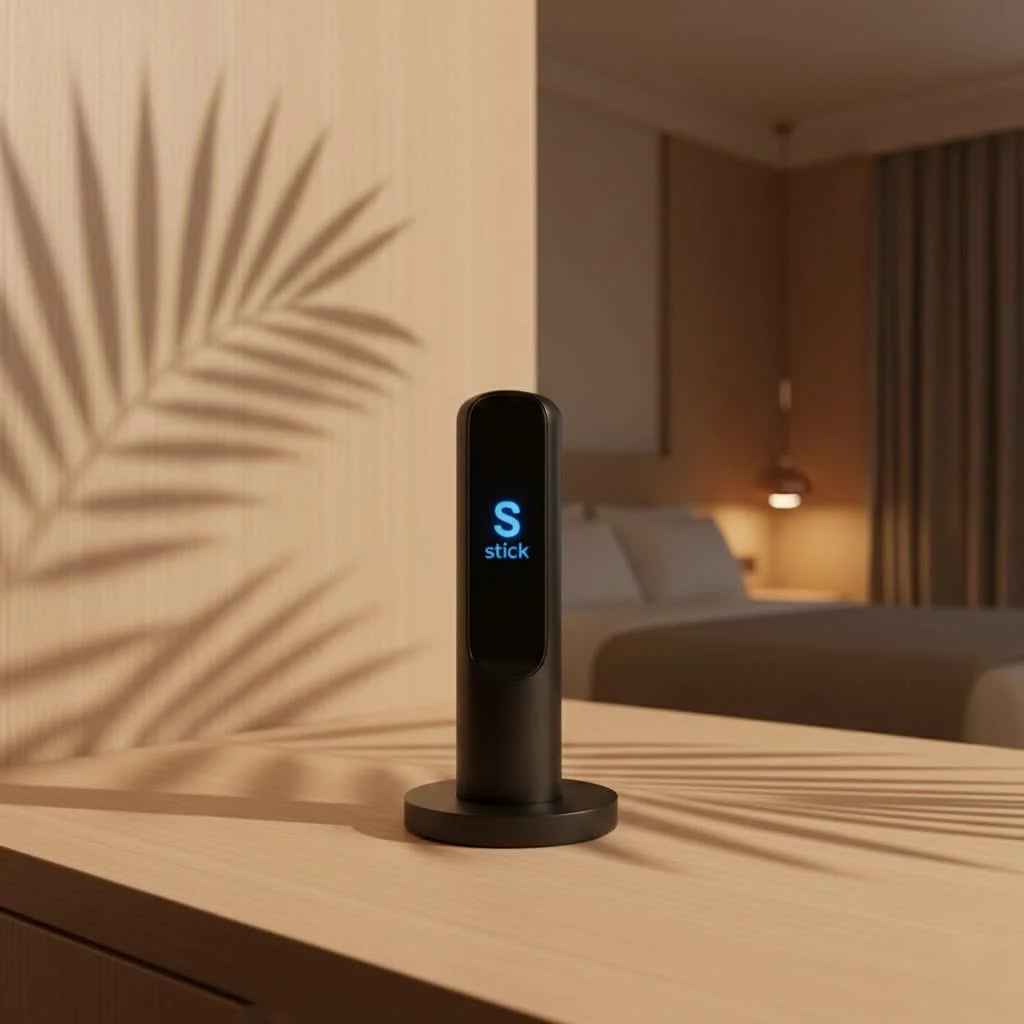
A streaming stick 4K transforms your viewing experience by delivering stunning Ultra HD clarity, offering four times the pixels of standard 1080p HD. These compact devices often outperform built-in smart TV software, providing faster navigation, broader app support, and enhanced picture quality through High Dynamic Range (HDR) formats like Dolby Vision and HDR10+. Upgrading to a 4K streaming stick is an excellent way to improve your home theater without significant expense.
Why Upgrade to a 4K Streaming Stick?
While many smart TVs offer streaming capabilities, a dedicated 4K streaming stick typically provides a superior experience. These devices deliver 4K Ultra HD (UHD) resolution, which means four times the pixels of standard 1080p HD, resulting in incredible detail and sharpness. They also offer faster navigation, more frequent software updates, and broader app support compared to integrated TV software.
Beyond resolution, 4K streaming sticks leverage High Dynamic Range (HDR) technology to unlock a wider spectrum of colors and deeper contrast. This makes bright areas brighter and dark areas richer, enhancing visual realism. Key HDR formats such as Dolby Vision and HDR10+ optimize picture quality scene-by-scene. A dedicated 4K streaming stick ensures you maximize the potential of your compatible 4K HDR television, providing a more immersive viewing experience.
Top Contenders in the 4K Streaming Stick Arena
The market offers several excellent 4K streaming stick options, each with distinct advantages. Here’s a rundown of the leading devices:
Roku Streaming Stick 4K: Simplicity Meets Performance
The Roku Streaming Stick 4K is renowned for its user-friendly interface and extensive content library. It supports brilliant 4K HDR and Dolby Vision in a discreet HDMI stick form factor. A significant advantage is its long-range Wi-Fi, which provides a more stable connection even when the router is not nearby. The intuitive voice remote simplifies content search and controls TV power and volume. While it typically lacks Dolby Atmos audio support (found in higher-end Roku devices), its overall value and ease of use are exceptional.
Amazon Fire TV Stick 4K Max: Alexa’s Ultra HD Powerhouse
For users within the Amazon ecosystem or those who frequently use Alexa, the Fire TV Stick 4K Max is a compelling choice. This device supports stunning 4K HDR, Dolby Vision, and HDR10+, and features Wi-Fi 6E for super-fast, responsive streaming. The Alexa Voice Remote Enhanced includes convenient shortcut buttons and robust voice control for content discovery and smart home management. It offers excellent performance for its price, particularly beneficial for Prime Video subscribers.
Chromecast with Google TV 4K: The Google Experience in 4K
|
Our Picks for the Best Streaming Stick in 2026
As an Amazon Associate I earn from qualifying purchases.
|
||
| Num | Product | Action |
|---|---|---|
| 1 | ONN Android TV 2K FHD Streaming Stick with Remote Control & Power Adapter WiFi HDMI Chromecast Built-in |

|
| 2 | Roku Ultra - Ultimate Streaming Player - 4K Streaming Device for TV with HDR10+, Dolby Vision & Atmos - Bluetooth & Wi-Fi 6- Rechargeable Voice Remote Pro with Backlit Buttons - Free & Live TV |
|
| 3 | 4K HDR Smart TV Stick, Ultra-Portable Android 12 Media Player, 2GB RAM 16GB ROM H313 Quad-Core, Dual-Band 5G WiFi & Voice Remote for Home Theaters and Smart TV Upgrades |
|
| 4 | Roku Streaming Stick Plus 2025 - 4K & HDR Roku Streaming Device for TV with Voice Remote - Free & Live TV |
|
| 5 | Roku Streaming Stick 4K - HDR & Dolby Vision Roku Streaming Device for TV with Voice Remote & Long-Range Wi-Fi - Free & Live TV |
|
| 6 | Roku Express 4K+ - Roku Streaming Device 4K/HDR with Voice Remote, Free & Live TV |
|
| 7 | 4K HDR Smart TV Stick, Ultra-Portable Android 11 Media Player, Dual-Band 5G WiFi & Voice Remote 2GB RAM 16GB ROM H313 Quad-Core for Home Theaters and Smart TV Upgrades |
|
| 8 | GREVA Android TV Stick 4K Ultra HD Streaming Device, 2025 Latest Android 14.0 TV Stick with Voice Assistant Remote Control, RK3518 2GB 16GB 2.4G/5G WiFi6 BT 5.0 HDR Streaming Media Player for Smart TV |
|
| 9 | Google TV Streamer 4K - Fast Streaming Entertainment on Your TV with Voice Search Remote - Watch Movies, Shows, Live TV, and Netflix in 4K HDR - Smart Home Control - 32 GB of Storage - Porcelain |
|
| 10 | Roku Streaming Stick HD 2025 — HD Streaming Device for TV with Roku Voice Remote, Free & Live TV |
|
Google’s Chromecast with Google TV 4K combines traditional Chromecast casting with a full smart TV interface. It supports 4K HDR, Dolby Vision, and HDR10+, and integrates Google Assistant for seamless voice commands and smart home control. The Google TV interface prioritizes content discovery, providing personalized recommendations across various streaming services. This device is an excellent option for Android users and anyone who appreciates Google’s comprehensive ecosystem.
Apple TV 4K: Premium Power for Apple Enthusiasts
The Apple TV 4K offers a premium, lightning-fast streaming experience for Apple users. Although it has a higher price point, its deep integration with the Apple ecosystem (AirPlay, HomeKit), robust app support, and rapid performance make it a top-tier choice. It supports 4K HDR, Dolby Vision, and immersive Dolby Atmos and Spatial Audio, making it ideal for advanced home theater setups. The sleek Siri remote provides precise control over entertainment.
Key Features to Consider When Buying a 4K Streaming Stick
Choosing the right streaming stick 4K involves matching features to your specific needs.
- Resolution and HDR Support: All listed devices stream in 4K, but pay attention to HDR formats. While HDR10 is standard, Dolby Vision and HDR10+ offer enhanced picture quality. Verify which formats your TV supports to maximize your investment.
- Audio Technologies: For an immersive audio experience, look for Dolby Atmos support if you have a compatible soundbar or home theater system. Devices like the Apple TV 4K and some Google TV streamers offer this feature.
- Connectivity: Most sticks rely on Wi-Fi. Newer models, such as the Fire TV Stick 4K Max, feature Wi-Fi 6 or 6E for improved performance and reduced interference. While most sticks lack an Ethernet port, it offers rock-solid stability for compatible networks.
- User Interface and Ecosystem: Consider your preference for Roku’s straightforward menus, Amazon’s Alexa integration, Google’s content-first approach, or Apple’s seamless ecosystem. Your choice should align with your existing devices and preferences.
- Remote Control: Voice commands are standard, but some remotes offer additional perks like programmable shortcut buttons (Fire TV), motion controls (Siri remote), or a headphone jack for private listening (Roku Ultra, not the stick).
- Processing Power: A more powerful processor ensures faster app loading, smoother navigation, and reduced lag. Premium devices generally feature more robust hardware.
Step-by-Step: Setting Up Your 4K Streaming Stick
Getting your new streaming stick 4K operational is typically a straightforward process.
1. Unboxing and Connecting
Unbox your streaming stick, remote, and power adapter. Plug the streaming stick directly into an available HDMI port on your 4K TV, noting the port used. Connect the power cable to the stick and then to the included wall adapter. Using the wall adapter is recommended to ensure sufficient, stable power, which helps prevent performance issues, even if your TV has USB ports.
2. Power Up and Pair Remote
Power on your TV and switch to the correct HDMI input where your streaming stick is connected. The device’s logo should appear. Insert batteries into your remote control. Most remotes pair automatically; if not, locate the pairing button (often inside the battery compartment or on the side) and press and hold it until the light flashes.
3. Connect to Wi-Fi
Follow the on-screen prompts to select your language and connect to your home Wi-Fi network. Have your Wi-Fi password ready. A strong, stable Wi-Fi signal is essential for optimal 4K streaming performance.
4. Software Update & Account Activation
Your device will likely check for and download the latest software updates. Allow this process to complete, as it is crucial for performance and security. Afterward, you will be prompted to activate your device by creating a new account or logging into an existing one (e.g., Roku, Amazon, Google, or Apple ID).
5. Customize Your Experience
Once activated, you can download your favorite streaming apps (e.g., Netflix, Disney+, Max, YouTube) and customize settings. Adjust display settings to ensure your TV receives the optimal 4K HDR signal for the best viewing experience.
Optimizing Performance and Troubleshooting Common Issues
Even advanced technology can encounter occasional issues. Here’s how to maintain your streaming stick 4K‘s smooth operation and address common problems:
Why is my streaming stick freezing or slow?
Lag and freezing are often related to connectivity or power supply.
- Check Wi-Fi: Ensure your stick is close enough to your router for a strong signal, which can often be verified in network settings. Restarting both your router and the streaming stick can resolve many Wi-Fi issues.
- Power Supply: Always use the wall adapter provided with your stick. TV USB ports may not deliver sufficient power, leading to instability.
- Clear Caches & Updates: Regularly clear app caches (if available) and ensure your device’s software is up to date. Outdated software or full caches can significantly slow performance.
- Overheating: If the stick feels hot, it might be overheating. Ensure it has adequate airflow and is not confined to a tight space behind the TV.
My remote isn’t working – what should I do?
A non-responsive remote can be frustrating, but these steps can help.
- Batteries First: The simplest fix is to replace the batteries, even if you suspect they are fine.
- Re-pair: Most remotes have a pairing button. Consult your device’s manual for specific instructions on how to re-pair it.
- Obstacles: Ensure there are no physical obstructions between your remote and the streaming stick.
- Mobile App: As a temporary solution, most streaming platforms offer mobile apps that can function as a remote control.
I’m not getting 4K or HDR, why?
If your picture quality is not meeting expectations, consider these factors.
- TV Compatibility: Double-check that your TV is indeed 4K and HDR compatible.
- TV Settings: Ensure your TV’s HDMI input is set to “Enhanced” or “UHD Deep Color” mode, which is often required for full 4K HDR passthrough.
- HDMI Cable: Use a high-speed HDMI cable. Older cables might not support the necessary 4K HDR bandwidth.
- Content Source: Verify that the content you are watching is actually available in 4K HDR from your streaming service. Not all titles offer this resolution.
As our expert Alex Chen from Tsauk.com notes, “A common oversight is thinking any HDMI cable will do for 4K HDR. To truly unlock that stunning picture, a certified High-Speed HDMI cable is non-negotiable.”
Beyond the Basics: Best Apps and Services for Your 4K Streaming Stick
A 4K streaming stick provides access to a vast universe of content. Major streaming services like Netflix, Disney+, Max, Amazon Prime Video, Hulu, and YouTube offer extensive libraries of 4K HDR content, with many also supporting Dolby Atmos for enhanced sound. Explore the app store on your chosen device to discover new services and ensure you are maximizing your Ultra HD setup. Always prioritize services that offer native 4K HDR content for the best viewing experience.
Conclusion
The streaming stick 4K is an indispensable device for modern home entertainment, offering an accessible and powerful gateway to stunning Ultra HD content. By understanding the different models, their unique features, and how to optimize and troubleshoot them, you can unlock a truly cinematic experience right in your living room. Whether you prioritize simplicity, smart home integration, or a premium ecosystem, there’s a 4K streaming stick out there perfect for you. Choose wisely, set it up right, and prepare to be amazed by the incredible world of Ultra HD streaming!
Frequently Asked Questions
Do I need a special TV to use a 4K streaming stick?
Yes, a 4K UHD TV is essential to view content in 4K resolution. For High Dynamic Range (HDR) benefits, your TV must also support HDR10, HLG, Dolby Vision, or HDR10+ to display enhanced colors and contrast. Without a compatible TV, the stick will downscale content.
Can a TV's USB port reliably power a 4K streaming stick?
While technically possible, it is generally not recommended to power a 4K streaming stick via a TV's USB port. These ports may not provide sufficient or consistent power, which can lead to performance issues, freezes, or instability. For optimal performance, always use the wall adapter included with your streaming stick.
What is the key difference between HDR10 and Dolby Vision?
Both HDR10 and Dolby Vision are High Dynamic Range (HDR) formats that enhance picture quality. HDR10 uses static metadata, meaning brightness and color information is set for an entire movie or show. Dolby Vision, however, uses dynamic metadata, adjusting brightness and color scene-by-scene or even frame-by-frame, often resulting in a more refined and impactful visual experience with greater detail.
Is a faster internet connection required for 4K streaming?
Yes, a faster internet connection is crucial for smooth 4K streaming. While 25 Mbps is generally considered a minimum for 4K content, a stable connection of 50 Mbps or higher is ideal. This helps prevent buffering and ensures a consistent, high-quality stream, especially when multiple devices are active on your home network.
Can a 4K streaming stick be used with an older, non-4K television?
Yes, a 4K streaming stick can be used with an older, non-4K TV. The device will automatically downscale the content to the highest resolution your TV supports, such as 1080p or 720p. However, you will not experience the benefits of 4K resolution or HDR on a non-4K television, though the stick may still offer a superior interface and app support compared to the TV's built-in smart features.
Setting Up Your 4K Streaming Stick
Follow these steps to quickly set up your new 4K streaming stick and begin enjoying Ultra HD content.
Unbox your streaming stick, remote, and power adapter. Plug the streaming stick directly into an available HDMI port on your 4K TV, making sure to note which port you use. Connect the power cable to the stick and then to the included wall adapter for stable power.
Power on your TV and switch to the correct HDMI input. The device's logo should appear. Insert batteries into your remote control; most remotes pair automatically. If not, press and hold the pairing button until the light flashes.
Follow the on-screen prompts to select your language and connect to your home Wi-Fi network. You will need your Wi-Fi password. Ensure you have a strong, stable Wi-Fi signal for optimal 4K streaming performance.
Your device will likely check for and download the latest software updates; allow this to complete for performance and security. Afterward, activate your device by creating a new account or logging into an existing one (e.g., Roku, Amazon, Google, or Apple ID).
Once activated, you can download your favorite streaming apps like Netflix, Disney+, and Max. Customize settings to your liking and adjust display settings to ensure your TV receives the optimal 4K HDR signal for the best viewing experience.
Get our weekly buyer guide
Practical specs, not advice. Unsubscribe anytime.
Seriously, if you’re on the fence about a 4K streaming stick, just do it! The broader app support alone is worth it, as my old TV was missing a few key services. Plus, the Ultra HD resolution makes everything look so crisp and vibrant. It’s such an easy and affordable way to elevate your viewing experience.
I got one of these 4K streaming sticks hoping it would totally fix the lag I get with my smart TV’s apps. While it is faster, it’s not as instantaneous as I’d hoped, especially when switching between different streaming services. The HDR10+ content does look great though, so it’s not a total loss, but I was expecting a bit more of a performance boost.
I finally upgraded to a 4K streaming stick after reading about how much better they are than my old smart TV’s built-in apps. The difference is night and day! Everything loads so much faster, and the picture quality with Dolby Vision is just incredible. It really does make my older 4K TV feel brand new again without having to buy a whole new set.
This guide was super helpful in convincing me to finally get a dedicated streaming stick 4K. I was skeptical about the ‘four times the pixels’ claim, but the clarity is genuinely impressive, especially on nature documentaries. My only minor gripe is that the remote feels a little flimsy, but for the price, it’s a solid upgrade to my home theater setup.