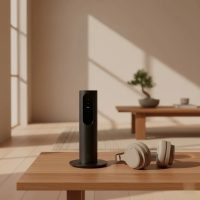
As a software engineer and streaming stick expert with over a decade in the field, I’ve seen countless devices come and go, but the Amazon Fire TV ecosystem has consistently proven itself as a powerful, user-friendly, and cost-effective gateway to endless entertainment. Whether you’re a seasoned streamer or just dipping your toes into the world of smart TVs, understanding the nuances of Amazon Fire TV devices can truly elevate your home viewing experience. From crystal-clear 4K visuals to seamless voice control and a vast app library, Amazon Fire TV offers something for everyone. This comprehensive guide will walk you through everything you need to know, helping you choose the right device, set it up with ease, troubleshoot common issues, and discover the best apps to transform your TV into an entertainment powerhouse.

Navigating the Amazon Fire TV Universe: Popular Models Explained
The Amazon Fire TV lineup has expanded significantly over the years, now offering a diverse range of devices to suit various budgets and needs. It’s not just about the “stick” anymore; Amazon provides integrated smart TVs and powerful cube devices.
The Fire TV Stick Lineup: From HD to 4K Max
The Fire TV Stick remains the most popular form factor, offering portability and discreet integration behind your television.
- Fire TV Stick HD (2024 Edition): This is the entry-level option, perfect for older TVs or secondary displays that don’t support 4K. It delivers smooth 1080p streaming with essential features, making it a budget-friendly choice for reliable performance.
- Fire TV Stick 4K (2nd Gen, 2023): A sweet spot for most users, this model offers stunning 4K Ultra HD streaming, alongside support for popular HDR formats like Dolby Vision, HDR10, HDR10+, and HLG. It’s 30% faster than its predecessor and supports Wi-Fi 6, ensuring a smoother streaming experience with compatible routers.
- Fire TV Stick 4K Max (2nd Gen, 2023): As the “Max” implies, this is Amazon’s most powerful streaming stick. It boasts an even faster 2.0GHz quad-core processor, double the storage (16GB), and Wi-Fi 6E support for lower latency and faster speeds, ideal for avid streamers and cloud gamers. It also includes the “Enhanced” Alexa Voice Remote with additional shortcut buttons.
- Fire TV Stick 4K Select: A newer addition in 2025, this 4K stick stands out by running Amazon’s new Vega OS, a Linux-based operating system, instead of the traditional Android-based Fire OS. While it aims for leaner performance with similar specs to the HD stick, it currently has a more limited app selection (around 900 apps at launch) and does not support sideloading. If you rely heavily on unofficial apps or a very broad app library, this might be a consideration.
Beyond the Stick: Fire TV Cube and Fire TV Edition Smart TVs
|
Our Picks for the Best Streaming Stick in 2026
As an Amazon Associate I earn from qualifying purchases.
|
||
| Num | Product | Action |
|---|---|---|
| 1 | GREVA Android TV Stick 4K Ultra HD Streaming Device, 2025 Latest Android 14.0 TV Stick with Voice Assistant Remote Control, RK3518 2GB 16GB 2.4G/5G WiFi6 BT 5.0 HDR Streaming Media Player for Smart TV |

|
| 2 | Roku Ultra - Ultimate Streaming Player - 4K Streaming Device for TV with HDR10+, Dolby Vision & Atmos - Bluetooth & Wi-Fi 6- Rechargeable Voice Remote Pro with Backlit Buttons - Free & Live TV |
|
| 3 | 4K HDR Smart TV Stick, Ultra-Portable Android 11 Media Player, Dual-Band 5G WiFi & Voice Remote 2GB RAM 16GB ROM H313 Quad-Core for Home Theaters and Smart TV Upgrades |
|
| 4 | ONN Android TV 2K FHD Streaming Stick with Remote Control & Power Adapter WiFi HDMI Chromecast Built-in |
|
| 5 | Roku Streaming Stick Plus 2025 - 4K & HDR Roku Streaming Device for TV with Voice Remote - Free & Live TV |
|
| 6 | 4K HDR Smart TV Stick, Ultra-Portable Android 12 Media Player, 2GB RAM 16GB ROM H313 Quad-Core, Dual-Band 5G WiFi & Voice Remote for Home Theaters and Smart TV Upgrades |
|
| 7 | Roku Streaming Stick 4K - HDR & Dolby Vision Roku Streaming Device for TV with Voice Remote & Long-Range Wi-Fi - Free & Live TV |
|
| 8 | Google TV Streamer 4K - Fast Streaming Entertainment on Your TV with Voice Search Remote - Watch Movies, Shows, Live TV, and Netflix in 4K HDR - Smart Home Control - 32 GB of Storage - Porcelain |
|
| 9 | Roku Express 4K+ - Roku Streaming Device 4K/HDR with Voice Remote, Free & Live TV |
|
| 10 | Roku Streaming Stick HD 2025 — HD Streaming Device for TV with Roku Voice Remote, Free & Live TV |
|
Amazon’s ecosystem extends beyond sticks to offer even more integrated experiences.
- Fire TV Cube (3rd Gen): This is the flagship device, combining a Fire TV streaming player with an Echo smart speaker. It features an octa-core processor for ultra-fast performance, hands-free Alexa voice control, and often includes an Ethernet port for a more stable wired connection.
- Fire TV Edition Smart TVs (Omni, 4-Series, Mini-LED): Amazon also offers its own branded televisions with Fire TV built directly into the hardware. These TVs provide an all-in-one smart TV experience, often featuring hands-free Alexa, various HDR formats, and integrated Fire OS. Models like the Omni Mini-LED offer significant picture quality upgrades.
What Makes Amazon Fire TV Shine? Key Features & Capabilities
Amazon Fire TV devices are designed to be more than just simple streaming players; they are central hubs for your digital entertainment.
Stunning Visuals and Immersive Audio
What can you expect in terms of picture and sound quality from an Amazon Fire TV device? Many Fire TV devices support high-resolution playback and advanced audio technologies for a cinematic experience right in your living room.
- 4K, HDR (HDR10/+, HLG, Dolby Vision): Most current Fire TV devices, particularly the 4K models, support 4K Ultra HD resolution, delivering incredibly sharp and detailed images. Furthermore, they often include High Dynamic Range (HDR) support, encompassing HDR10, HDR10+, HLG, and even Dolby Vision, which significantly enhances contrast, brightness, and color accuracy for a more vibrant and lifelike picture.
- Dolby Atmos: For an truly immersive audio experience, many Fire TV devices support Dolby Atmos, which creates multi-dimensional sound that flows around you, even overhead. This feature, combined with a compatible sound system, can make movies and shows feel incredibly real.
The Power of Voice: Alexa Integration
Alexa is at the heart of the Amazon Fire TV experience, making navigation and content discovery effortless.
- Hands-free vs. Remote-activated: While all Fire TV remotes come with an Alexa voice button – allowing you to press and hold to speak commands – some advanced devices, like the Fire TV Cube and certain Fire TV Edition TVs, offer hands-free Alexa. This means you can simply say “Alexa” followed by your command from across the room, just like an Echo speaker, without needing to touch the remote.
- Streamlined Control: Alexa can launch apps, search for specific movies or shows, control playback, switch inputs, and even manage smart home devices, all with simple voice commands.
App Ecosystem: Fire OS vs. Vega OS
The operating system dictates the breadth of content and features available.
- Wide App Support on Fire OS: The majority of Amazon Fire TV devices run on Fire OS, which is built on Android. This robust platform offers access to tens of thousands of apps from the Amazon Appstore, including all major streaming services like Netflix, Prime Video, Disney+, Hulu, and many more. Fire OS has historically also allowed for sideloading, giving users the flexibility to install unofficial apps.
- Limitations on Vega OS: The newer Fire TV 4K Select introduces Vega OS, Amazon’s custom Linux-based operating system. While it promises a leaner experience, Vega OS currently supports a much smaller selection of apps and, notably, does not support sideloading. This is an important distinction for users who rely on a broader app ecosystem.
Gaming on Fire TV: Xbox Cloud Gaming
Did you know your Amazon Fire TV can be a gaming hub? Modern Fire TV devices are increasingly capable of supporting cloud gaming.
- Certain models, like the Fire TV Stick 4K and 4K Max, are compatible with Xbox Cloud Gaming, allowing you to stream a wide array of Xbox titles directly to your TV with an Xbox Game Pass Ultimate subscription and a compatible controller. This offers a console-like gaming experience without needing a dedicated console.
Connectivity and Performance: Wi-Fi 6/6E, Processors, Storage
What powers these devices to deliver such seamless entertainment? The internal hardware plays a crucial role.
- Powerful Processors and RAM: Newer Fire TV models feature faster quad-core processors and increased RAM (up to 2GB in 4K Max) to ensure snappy navigation, quick app loading, and smooth streaming, even for demanding 4K content.
- Advanced Wi-Fi: The latest Fire TV Sticks, like the 4K (2nd Gen) and 4K Max (2nd Gen), support Wi-Fi 6 and Wi-Fi 6E respectively. This means faster, more stable wireless connections, especially in busy networks, and lower latency for a better overall experience.
- Storage: While most sticks come with 8GB of storage for apps and data, the Fire TV Stick 4K Max doubles this to 16GB, giving you more room for your favorite applications and games.
Getting Started: Your Step-by-Step Amazon Fire TV Setup Guide
Setting up your new Amazon Fire TV device is usually a breeze. Let’s walk through the process together.
Unboxing and Connecting Your Device
What’s the first thing you should do when you get a new Fire TV? Get it physically connected to your TV!
- Unpack Everything: In the box, you’ll typically find the Fire TV Stick, an Alexa Voice Remote, a power adapter, a USB cable, and sometimes an HDMI extender.
- Plug into HDMI: Connect the Fire TV Stick directly into an available HDMI port on your television. If space is tight or the signal needs a boost, use the included HDMI extender.
- Power It Up: Plug the USB cable into the Fire TV Stick and connect the other end to the power adapter, then plug the adapter into a wall outlet. While some TVs offer USB ports for power, using the included wall adapter is generally recommended for optimal performance, especially for 4K streaming.
Powering Up and Remote Pairing
How do you get your Fire TV and its remote to talk to each other?
- Turn on Your TV: Switch your television to the HDMI input where you connected your Fire TV Stick. You should see the Fire TV logo appear on the screen.
- Insert Batteries: Open the back of your Alexa Voice Remote and insert the two AAA batteries.
- Pair the Remote: Your remote should automatically pair with the Fire TV Stick. If not, press and hold the Home button on the remote for about 10 seconds until you see an on-screen confirmation that it’s paired.
Wi-Fi Connection and Amazon Account Setup
Almost there! Now let’s get your Amazon Fire TV online and ready to stream.
- Select Language: Follow the on-screen instructions to choose your preferred language.
- Connect to Wi-Fi: Your Fire TV will scan for available Wi-Fi networks. Select your home network from the list, enter your Wi-Fi password using the on-screen keyboard, and select “Connect.”
- Sign In to Amazon: You’ll be prompted to sign in to your Amazon account. You can do this by scanning a QR code with your smartphone, visiting a web address on a computer, or manually entering your Amazon credentials using the remote. If you don’t have an Amazon account, you can create one during this step.
- Software Updates: The device will likely check for and install any available software updates. This might take a few minutes and could involve a restart.
Personalizing Your Experience
Once the initial setup is complete, you can personalize your Fire TV.
- App Selection: Choose your favorite streaming apps to download.
- Parental Controls: For families, setting up parental controls is crucial. You can set age restrictions for content and require a PIN for access. Navigate to
Settings>Preferences>Parental Controlsto set this up. - Disable Autoplay: If you find trailers or “featured content” annoying, you can disable autoplay in
Settings>Preferences>Featured Content.
Optimizing Performance and Troubleshooting Common Amazon Fire TV Issues
Even the most robust devices can sometimes encounter a hiccup. Here’s how to keep your Amazon Fire TV running smoothly and tackle common problems like a pro.
Keeping Things Smooth: Performance Tips
How can you ensure your Fire TV device always runs at its best? Regular maintenance and smart usage can make a big difference.
- Disable Autoplay: As mentioned, turning off autoplay for featured content can reduce background processing and make the interface feel snappier.
- Manage Storage: Fire TV devices have limited storage. Regularly uninstall apps you don’t use and clear the cache for frequently used apps to free up space. Go to
Settings>Applications>Manage Installed Applications, select an app, then chooseClear CacheorUninstall. - Restart Regularly: A simple restart can resolve many minor glitches by refreshing the system. You can do this by going to
Settings>My Fire TV>Restart, or by holding the Select and Play buttons on your remote for about 10 seconds. Unplugging the device from power for a few seconds and plugging it back in also works.
Tackling Connectivity Troubles (Wi-Fi, Bluetooth)
What should you do when your Fire TV won’t connect to the internet or a Bluetooth device? Connectivity issues are common but often have straightforward solutions.
- Restart Your Network Gear: Unplug your Wi-Fi router and modem for about 30 seconds, then plug them back in and wait for them to fully restart before trying to connect your Fire TV again.
- Check Wi-Fi Password and Signal: Ensure you’re entering the correct Wi-Fi password. If your Fire TV is far from your router, consider moving them closer or using a Wi-Fi extender to improve signal strength.
- Reduce Interference: Other devices operating on the 2.4 GHz band (like cordless phones or baby monitors) can interfere with Wi-Fi signals. Try moving them away from your Fire TV and router. If your router supports it, try connecting to the 5 GHz band.
- Update Router Firmware: Check if your Wi-Fi router has a firmware update available, as these often include bug fixes for connectivity.
- Bluetooth Issues: If a Bluetooth device isn’t connecting, ensure it’s turned on, fully charged, and discoverable. Keep it within 33 feet of your Fire TV. If problems persist, try rebooting the Bluetooth device or restarting your Fire TV.
Solving Visual and Audio Headaches (Blank screen, no sound)
Seeing a blank screen or hearing no audio can be frustrating. Here’s how to troubleshoot.
- Check HDMI Connection and Input: Make sure your Fire TV Stick is securely plugged into your TV’s HDMI port and that your TV is set to the correct HDMI input. Try a different HDMI port or a new HDMI cable if you suspect a faulty connection.
- Verify TV Audio Settings: If you have video but no sound, check your TV’s volume, mute status, and speaker settings. If you’re using an external sound system, ensure it’s powered on and correctly connected.
- Adjust Resolution: If your screen is blank or flickers, your Fire TV might be set to an incompatible resolution. On the Fire TV remote, press and hold the Up button on the navigation ring and the Rewind button for about 10 seconds. Your Fire TV will cycle through resolutions; select “Use Current Resolution” when you see a clear picture.
- Dolby Digital Output: For audio issues, especially with older sound systems, try turning off “Dolby Digital Plus Output” in
Settings>Display & Sounds>Audio>Dolby Digital Output.
App Glitches and Unresponsive Devices
What if an app crashes or your Fire TV becomes unresponsive?
- Force Stop and Clear Cache: If a specific app is misbehaving, go to
Settings>Applications>Manage Installed Applications, select the problematic app, and chooseForce Stop, thenClear Cache. - Reinstall the App: If clearing the cache doesn’t work,
Uninstallthe app and then reinstall it from the Appstore. - Factory Reset (Last Resort): If all else fails and your device is still unresponsive, a factory reset might be necessary. This will wipe all data and settings, returning the device to its out-of-the-box state. To do this, press and hold the Back button and the right side of the navigation circle on your remote simultaneously for about 10 seconds.
Dive into Entertainment: Best Apps for Your Amazon Fire TV
One of the greatest strengths of Amazon Fire TV is its extensive library of applications. Here’s a look at some of the best apps to install, ensuring you have access to all the content you desire.
Must-Have Streaming Services
No Fire TV is complete without these essential streaming giants.
- Netflix: A cornerstone of streaming, Netflix offers a vast library of original series, movies, and documentaries in various genres, often in 4K with HDR.
- Prime Video: Amazon’s own streaming service, Prime Video, is deeply integrated into the Fire TV interface, offering a wide array of movies, TV shows, and exclusive content, often included with an Amazon Prime membership.
- Disney+: Home to Disney, Pixar, Marvel, Star Wars, and National Geographic, Disney+ is a must-have for families and fans of these iconic franchises.
- Hulu: Known for its extensive library of current and classic TV shows, Hulu also offers original programming and live TV options with its “Hulu + Live TV” plan.
- HBO Max: For premium, critically acclaimed series and Warner Bros. movies, HBO Max (now Max) delivers a top-tier streaming experience.
Free Content Goldmines
Looking for entertainment that won’t cost you a dime? The Fire TV has you covered.
- Tubi: A popular ad-supported service with a massive library of movies, TV shows, and even live news channels. Its content often includes retro and B-list gems.
- Pluto TV: Offers over 85 live TV channels across various genres, including movies, sports, news, and cartoons, all for free.
- Crackle: A free video streaming app from Sony Entertainment, providing access to a range of movies and TV shows, with a useful parental control feature.
- Freevee: Amazon’s own ad-supported streaming service, integrated into the Fire TV interface for quick access to movies and shows.
- Plex: While it has premium features, Plex offers a free basic package with thousands of movies and shows. It also allows you to organize and stream your personal media library.
- Vudu Fandango: Boasts a library of 150,000 movies and TV shows, many available in 4K, often before they hit Blu-ray.
Live TV & Sports
Cutting the cord doesn’t mean giving up live television.
- Hulu + Live TV: Combines Hulu’s on-demand library with a robust selection of live TV channels for news, sports, and entertainment.
- Sling TV: A popular choice for live TV streaming in the US, offering various channel packages for a customizable experience.
- FOX Now / A&E: These apps provide access to on-demand content and live streams from their respective networks, though some content may require a cable subscription or in-app purchase.
- Peacock TV: Offers a mix of free and premium content, including popular TV shows and live sports from NBCUniversal.
Enhancing Your Experience
Beyond mainstream streaming, these apps add extra utility and flexibility.
- Kodi: A free, open-source media player that allows you to stream almost any video content through various add-ons.
- VPN Services (e.g., Surfshark): Essential for privacy and security, especially when using third-party apps, a VPN can mask your IP address and help bypass geo-restrictions for content.
- Downloader: A crucial app for sideloading other applications not available in the Amazon Appstore, particularly useful for Fire OS devices.
Conclusion
The Amazon Fire TV ecosystem offers a fantastic blend of affordability, performance, and user-friendliness, making it an excellent choice for anyone looking to enhance their home entertainment. As a long-time streaming stick enthusiast and software engineer, I’m consistently impressed by how these devices empower users to take control of their viewing experience. From the versatile Fire TV Stick 4K Max to the integrated Fire TV Edition TVs, there’s a device perfectly suited for your needs.
By understanding the different models, harnessing the power of Alexa, mastering the simple setup process, and knowing how to troubleshoot common issues, you’re well-equipped to unlock a world of content. Don’t forget to explore the vast array of apps – both free and paid – to truly customize your streaming universe. So go ahead, plug in your Amazon Fire TV, dive into your favorite shows and movies, and let your home entertainment truly shine!
Frequently Asked Questions (FAQ)
How do I download apps on my Amazon Fire TV?
You can download apps by using the Alexa Voice Remote. Either press and hold the Alexa button and say, “Alexa, open [app name],” or manually navigate to the “Find” menu, select “Search,” type the app’s name, and then choose “Get” or the shopping cart icon to download.
Can I use an Amazon Fire TV without an Amazon Prime subscription?
Yes, you can absolutely use an Amazon Fire TV device without an Amazon Prime subscription. While Prime Video content is a major draw for Prime members, you can still access and download thousands of other streaming apps like Netflix, Hulu, Disney+, YouTube, and many free services, regardless of your Prime status.
What’s the difference between Fire OS and Vega OS?
Fire OS is Amazon’s traditional Android-based operating system used on most Fire TV devices, offering broad app compatibility and sideloading support. Vega OS is a newer, Linux-based operating system introduced with the Fire TV 4K Select, designed to be leaner but with a more limited app library and no support for sideloading.
How can I improve my Fire TV’s performance?
To boost performance, regularly restart your device, clear the cache for frequently used apps, uninstall unnecessary applications to free up storage, and disable autoplay for featured content in the settings. Ensuring a strong Wi-Fi signal also helps significantly.
What should I do if my Fire TV remote isn’t working?
First, replace the batteries in your remote. If that doesn’t work, try re-pairing it by holding the Home button for 10 seconds. You can also restart your Fire TV device. If all else fails, consider using the Fire TV app on your smartphone as a temporary remote.
Is Amazon Fire TV suitable for gaming?
Yes, newer Amazon Fire TV devices, particularly the Fire TV Stick 4K and 4K Max, offer compatibility with cloud gaming services like Xbox Cloud Gaming, allowing you to stream a wide range of games with a compatible controller and subscription.
How do I reset my Amazon Fire TV to factory settings?
To factory reset your Fire TV, go to Settings > My Fire TV > Reset to Factory Defaults. Alternatively, you can press and hold the Back button and the right side of the navigation circle on your remote simultaneously for about 10 seconds until you see the reset option. This will erase all your data and settings.
Get our weekly buyer guide
Practical specs, not advice. Unsubscribe anytime.