In today’s fast-paced world of digital entertainment, the humble streaming stick has transformed from a niche gadget into an essential piece of home theater equipment. With countless shows, movies, and live events just a click away, finding the Best Streaming Device isn’t just about convenience; it’s about unlocking a world of immersive entertainment tailored to your preferences. Whether you’re a casual viewer or a dedicated cinephile, choosing the right streaming device can significantly upgrade your viewing experience, making buffering a distant memory and delivering stunning visuals and audio directly to your living room.
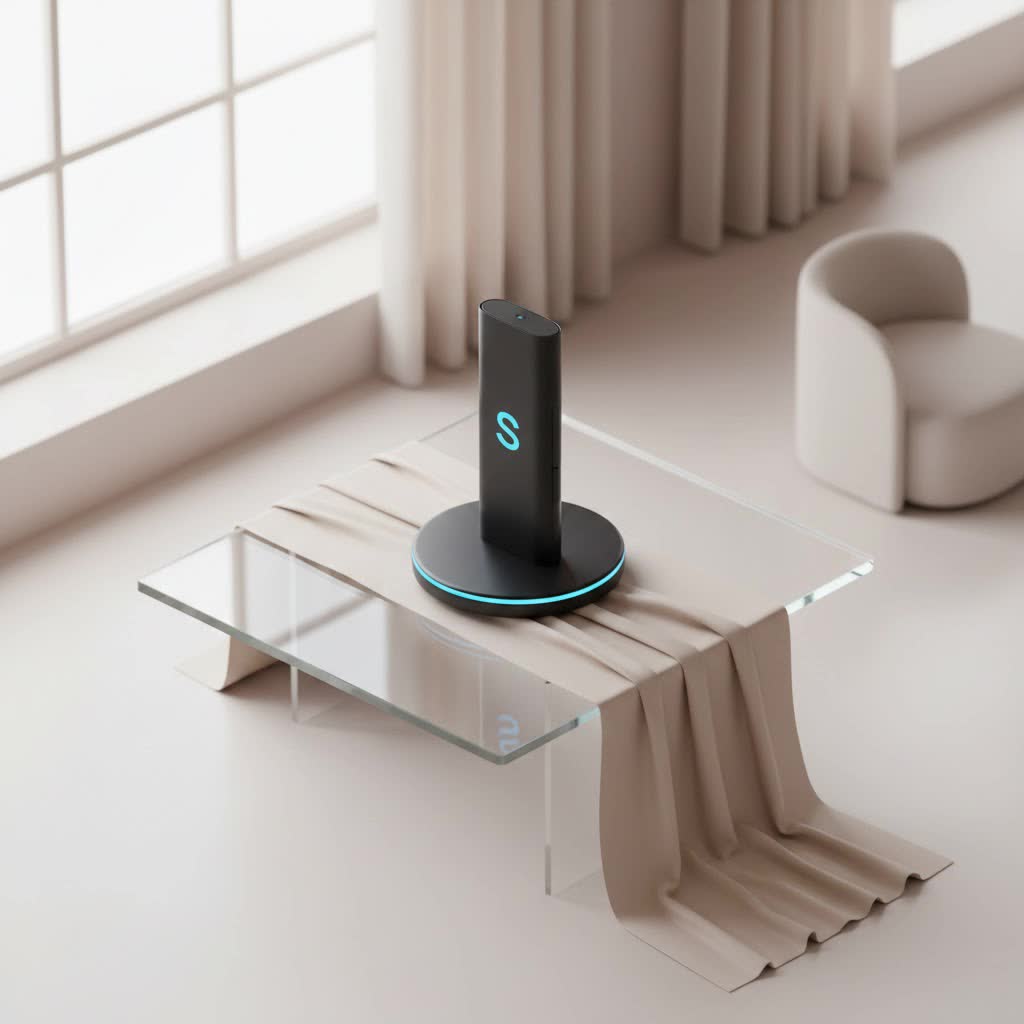
But with an ever-growing array of options on the market, each boasting unique features and ecosystems, how do you cut through the noise to find your perfect match? As a software engineer and streaming stick specialist with over a decade of experience, I’m here to guide you through the exciting landscape of streaming technology, helping you understand the nuances and make an informed decision.
Navigating the Streaming Landscape: Popular Devices Compared
The streaming device market is dominated by a few key players, each offering a distinct flavor of features, interfaces, and ecosystem integration. Understanding their core strengths is your first step toward identifying the best streaming device for your home.
Amazon Fire TV: The Alexa-Powered Powerhouses
|
Our Picks for the Best Streaming Stick in 2026
As an Amazon Associate I earn from qualifying purchases.
|
||
| Num | Product | Action |
|---|---|---|
| 1 | Roku Streaming Stick 4K - HDR & Dolby Vision Roku Streaming Device for TV with Voice Remote & Long-Range Wi-Fi - Free & Live TV |

|
| 2 | Roku Ultra - Ultimate Streaming Player - 4K Streaming Device for TV with HDR10+, Dolby Vision & Atmos - Bluetooth & Wi-Fi 6- Rechargeable Voice Remote Pro with Backlit Buttons - Free & Live TV |
|
| 3 | Roku Streaming Stick HD 2025 — HD Streaming Device for TV with Roku Voice Remote, Free & Live TV |
|
| 4 | Roku Streaming Stick Plus 2025 - 4K & HDR Roku Streaming Device for TV with Voice Remote - Free & Live TV |
|
| 5 | ONN Android TV 2K FHD Streaming Stick with Remote Control & Power Adapter WiFi HDMI Chromecast Built-in |
|
| 6 | Google TV Streamer 4K - Fast Streaming Entertainment on Your TV with Voice Search Remote - Watch Movies, Shows, Live TV, and Netflix in 4K HDR - Smart Home Control - 32 GB of Storage - Porcelain |
|
| 7 | Roku Express 4K+ - Roku Streaming Device 4K/HDR with Voice Remote, Free & Live TV |
|
| 8 | GREVA Android TV Stick 4K Ultra HD Streaming Device, 2025 Latest Android 14.0 TV Stick with Voice Assistant Remote Control, RK3518 2GB 16GB 2.4G/5G WiFi6 BT 5.0 HDR Streaming Media Player for Smart TV |
|
| 9 | 4K HDR Smart TV Stick, Ultra-Portable Android 11 Media Player, Dual-Band 5G WiFi & Voice Remote 2GB RAM 16GB ROM H313 Quad-Core for Home Theaters and Smart TV Upgrades |
|
| 10 | 4K HDR Smart TV Stick, Ultra-Portable Android 12 Media Player, 2GB RAM 16GB ROM H313 Quad-Core, Dual-Band 5G WiFi & Voice Remote for Home Theaters and Smart TV Upgrades |
|
Amazon’s Fire TV lineup is renowned for its seamless integration with the Alexa voice assistant and a content-forward interface that prioritizes Amazon Prime Video. Devices like the Fire TV Stick 4K Max and the Fire TV Cube stand out. The Fire TV Stick 4K Max, for example, offers excellent value, delivering crisp 4K resolution with HDR support (including Dolby Vision) and speedier performance thanks to Wi-Fi 6. It’s a fantastic choice for those already invested in the Amazon ecosystem or seeking a powerful yet affordable 4K streamer.
For users who crave ultimate convenience and smart home control, the Fire TV Cube is a game-changer. It combines a streaming box with a built-in Echo speaker, offering hands-free Alexa control to launch apps, search for content, and even manage smart home devices without ever touching the remote. It also boasts HDMI pass-through, allowing Alexa visual information to display even when using other devices connected to your TV, and Wi-Fi 6E support for the most robust wireless connection. While Fire TV interfaces can sometimes feel a bit cluttered with ads, their performance and deep Alexa integration make them a top contender for many.
Roku: Simplicity Meets Comprehensive Content
Roku devices are celebrated for their straightforward, user-friendly interface and vast content library, often supporting nearly every major streaming service without pushing one ecosystem over another. The Roku Streaming Stick Plus remains a popular choice for its simplicity, offering 4K HDR streaming with easy setup and support for Apple AirPlay, which is a big plus for iPhone, iPad, and Mac users. Its interface is built around large, easy-to-navigate tiles, making it ideal for less tech-savvy users or those who simply want to get to their shows without fuss.
For those desiring a more advanced Roku experience, the Roku Ultra offers enhanced performance, including Wi-Fi 6, an Ethernet port for wired connectivity, and hands-free voice control through its advanced Voice Remote Pro. This premium Roku device also supports Dolby Vision and Dolby Atmos, delivering a truly immersive audio-visual experience. A standout feature of the Roku Ultra is its remote finder, a blessing for anyone who frequently misplaces their clicker among the couch cushions.
Apple TV 4K: Premium Performance for the Apple Enthusiast
The Apple TV 4K is undeniably a premium streaming device, often priced higher than its competitors, but it justifies this with unparalleled speed, a sleek, ad-free tvOS interface, and deep integration with the Apple ecosystem. It delivers stunning 4K HDR visuals with Dolby Vision and immersive Dolby Atmos audio. For Apple users, it’s the ultimate hub, seamlessly connecting with iPhones, iPads, Macs, AirPods (for private listening), and HomeKit smart home devices. Unique features like SharePlay allow you to watch content synchronously with friends over FaceTime.
While the Apple TV 4K might be a splurge, its fluid performance, robust gaming library (via Apple Arcade), and commitment to privacy make it the best streaming device for dedicated Apple fans who value a polished user experience and a powerful entertainment hub. Using Siri requires speaking into the remote, but the overall experience is buttery smooth and responsive.
Google TV (Onn & Chromecast): Smart Recommendations and Android Integration
Google’s streaming offerings, primarily found in devices running Google TV (like the Chromecast with Google TV or the increasingly popular Walmart Onn 4K Pro), focus heavily on content discovery and integration with Google services. Google TV provides a personalized home screen that aggregates recommendations from all your streaming services, making it easier to find something new to watch.
The Walmart Onn 4K Plus and its more powerful sibling, the Onn 4K Pro, have disrupted the market by offering exceptional features at incredibly competitive price points. The Onn 4K Plus delivers 4K video, Dolby Vision, and Dolby Atmos support, along with a voice remote, all for an astonishingly low price. The Pro version further enhances this with a faster processor, Wi-Fi 6, an Ethernet port, USB-A port for accessories, and a remote finder feature. These devices are fantastic for Android users, those who appreciate Google Assistant voice control, and anyone seeking a high-value 4K streaming experience without breaking the bank. Google Cast support is a given, allowing easy casting from Android devices and Chrome browsers, though native AirPlay support is typically absent on these specific streamers.
What to Look for in Your Best Streaming Device: Key Features Explained
Choosing the best streaming device means understanding the features that truly matter for your viewing habits and existing home theater setup.
Crystal Clear Visuals: Resolution and HDR
The most crucial visual aspects are resolution and High Dynamic Range (HDR).
- Resolution: Most modern TVs are 4K (Ultra HD), so a 4K streaming device is ideal to take full advantage of your screen. If you have an older 1080p TV, an HD-only streamer can save you money without compromising quality.
- HDR: This technology dramatically boosts contrast and color accuracy, making images pop. HDR10 is standard, but look for HDR10+ and Dolby Vision for superior, scene-by-scene optimization. Ensure your streaming device’s HDR capabilities match those of your TV for the best results.
Immersive Audio: Dolby Atmos and Spatial Sound
Beyond visuals, audio quality transforms your experience.
- Dolby Atmos: This “object-based” audio format creates a 3D soundscape, placing you in the heart of the action. With a compatible sound system, a device that supports Dolby Atmos (or at least Dolby Atmos passthrough) will deliver a much more immersive experience.
- Spatial Audio: Found primarily in the Apple ecosystem, Spatial Audio with compatible headphones (like AirPods) creates a dynamic, head-tracking sound that can make you feel like audio is coming from all around you, even with just two ears.
Speed and Connectivity: Processor, Wi-Fi, and Ethernet
Nobody likes buffering. A fast processor ensures smooth navigation and quick app loading.
- Wi-Fi: Dual-band (2.4/5GHz) Wi-Fi is essential for stable 4K streaming. Newer devices with Wi-Fi 6 or even Wi-Fi 6E offer improved performance in congested network environments.
- Ethernet: For the most reliable and consistent streaming, a wired Ethernet connection is unbeatable, especially if you have a busy home network or your Wi-Fi signal is weak in your viewing area.
Smart Control: Voice Assistants and User Interface
How you interact with your device can make a big difference.
- Voice Assistants: Whether it’s Alexa, Siri, or Google Assistant, voice control allows for quick searching and playback. Consider if you prefer hands-free control (like the Fire TV Cube) or if speaking into the remote is sufficient.
- User Interface (UI): Some UIs are clean and content-focused (Roku, Apple TV), while others integrate smart home controls and personalized recommendations (Google TV) or can be perceived as ad-heavy (Fire TV). Choose one that feels intuitive to you.
Ecosystem Harmony: Integration with Your Devices
Your existing smart devices can influence your choice.
- Apple Ecosystem: If you’re an iPhone, iPad, and Mac user, an Apple TV 4K will integrate seamlessly, offering AirPlay, HomeKit support, and shared photo albums.
- Amazon Ecosystem: Fire TV devices are perfect for Alexa users, allowing control of smart home devices and displaying Ring camera feeds directly on your TV.
- Google Ecosystem: Google TV devices pair well with Android phones, Google Assistant, and Chromecast for casting content.
Storage and Apps: Room for Your Entertainment
While streaming devices generally don’t require vast amounts of storage, it matters if you plan to install many apps or even games. Most streaming apps are small, but high-end devices like the Apple TV 4K offer more storage, catering to its gaming library. Ensure your chosen device supports all your must-have streaming services; though, thankfully, most major platforms offer broad app compatibility these days.
The Remote Matters: Ergonomics and Extra Features
The remote is your primary interface. Look for:
- Backlit buttons: A godsend for dark rooms.
- Voice control button: For quick searches.
- Dedicated service buttons: For instant access to your favorite apps.
- Remote finder: A feature on some devices (like the Onn 4K Pro or Roku Ultra) that helps you locate a misplaced remote.
- Headphone jack: On some Roku remotes for private listening.
Setting Up Your Streaming Stick: A Step-by-Step Guide
Getting your new streaming device up and running is typically a breeze. Here’s a general guide:
- Unbox and Connect: Carefully unbox your device and connect it to an available HDMI port on your TV. If it’s a stick, it will usually plug directly in. Boxes may require an HDMI cable (often included). Plug in the power adapter.
- Power On and Connect to Wi-Fi: Turn on your TV and select the correct HDMI input. Your device should boot up. Follow the on-screen prompts to select your language and connect to your home Wi-Fi network by entering your password.
- Log In/Create Account: Most streaming platforms (Roku, Amazon, Apple, Google) require you to sign in or create an account. This links your device to your preferences and purchases.
- Install Favorite Apps: Browse the app store (Roku Channel Store, Amazon Appstore, Apple App Store, Google Play Store) and download your preferred streaming services like Netflix, Disney+, Hulu, and YouTube.
- Customize Settings: Explore the settings menu to adjust display (e.g., 4K resolution, HDR), audio (e.g., Dolby Atmos), and parental controls to personalize your experience.
Troubleshooting and Optimization Tips for a Seamless Experience
Even the best streaming device can encounter hiccups. Here are some common troubleshooting and optimization tips:
- Check Internet Connection: Slow streaming or buffering often points to a Wi-Fi issue. Run a speed test on your device or phone. A minimum of 25 Mbps is recommended for 4K streaming.
- Update Software: Ensure your streaming device’s operating system and all apps are up to date. Software updates often include performance improvements and bug fixes.
- Clear Cache/Reinstall Apps: If a specific app is misbehaving, try clearing its cache through the device’s settings. If that doesn’t work, delete and reinstall the app.
- Restart Device/Router: A simple restart of both your streaming device and your home Wi-Fi router can resolve many connectivity and performance issues. Unplug both for 30 seconds before plugging them back in.
- Optimize Wi-Fi Signal: Position your router in a central location, away from obstructions and other electronics. If possible, use a shorter distance between your device and router.
- Use Ethernet if Possible: For critical streaming devices, especially those handling 4K content, a wired Ethernet connection (if your device supports it) will provide the most stable and fastest connection.
Our Top Picks: Tailoring the Best Streaming Device to Your Needs
Based on extensive testing and user feedback, here are some of our top recommendations for the best streaming device across different categories:
- Best Overall Value: The Amazon Fire TV Stick 4K Max or the Walmart Onn 4K Plus offer an incredible blend of 4K HDR performance, robust features, and affordability, making them excellent choices for most users.
- Best for Apple Users: The Apple TV 4K is unparalleled for those deeply embedded in the Apple ecosystem, delivering premium performance and seamless integration with all your Apple devices and services.
- Best for Simplicity and Broad Content: The Roku Streaming Stick Plus is a fantastic option for users who prioritize an easy-to-use interface and access to a massive library of streaming apps without ecosystem favoritism.
- Best for Hands-Free Voice Control: The Amazon Fire TV Cube is the ultimate choice for users who want to control their entertainment and smart home devices entirely with their voice, leveraging Alexa’s full capabilities.
- Best Budget 4K Option: The Walmart Onn 4K Google TV Streaming Box (2023 model) offers incredible bang for your buck, providing 4K streaming and the intuitive Google TV interface at an unbeatable price.
Expert Insight: The Future of Streaming Devices
The streaming landscape is constantly evolving, with new technologies and integrations emerging regularly. “The best streaming device isn’t just about cutting the cord; it’s about elevating your entire home entertainment experience. Investing a little time in understanding your needs will pay off in countless hours of seamless, high-quality viewing,” says Eleanor Vance, Senior Tech Editor at Tsauk.com. We anticipate continued advancements in AI-driven content discovery, even deeper smart home integration, and more seamless cross-device experiences that blur the lines between traditional TV and personalized digital content.
Frequently Asked Questions (FAQ)
Are streaming boxes better than streaming sticks?
Historically, streaming boxes often offered more power, ports, and features. However, modern streaming sticks have significantly closed the performance gap while remaining more compact and affordable. For most users, a good streaming stick offers ample power. Boxes like the Roku Ultra or Fire TV Cube still offer advantages like Ethernet ports or hands-free voice control.
Can I use headphones with my streaming device?
Most modern streaming devices support Bluetooth headphones and earbuds for private listening. Some Roku remotes also include a headphone jack. Alternatively, many platforms offer companion mobile apps that allow you to listen privately through headphones connected to your phone or tablet.
How much storage do I need on my streaming device?
For most users, 8GB to 16GB of storage is more than sufficient for streaming apps. If you plan on installing many games (e.g., on an Apple TV 4K), then a device with 32GB, 64GB, or even 128GB of storage would be beneficial. Modern streaming platforms can also automatically offload rarely used apps to save space.
Can I use a streaming device while traveling?
Yes, most streaming devices are portable. Roku, Fire TV, and Apple TV devices often feature “captive portal” support, allowing you to easily log into hotel or public Wi-Fi networks that require a web-based sign-in. Be aware that some streaming services have geographical restrictions or primary residence requirements that might limit usage away from home.
What about 8K streaming devices?
While 8K TVs are becoming more common, dedicated 8K streaming devices and 8K streaming content are not widely available in the consumer market yet. For now, focusing on a robust 4K HDR device is the practical and future-proof choice for the vast majority of users.
Conclusion
Choosing the best streaming device might seem daunting with so many options, but by understanding your personal viewing habits, your existing smart home ecosystem, and the key features on offer, you can confidently select the perfect companion for your TV. Whether you prioritize premium performance, ultimate simplicity, voice control, or incredible value, there’s a streaming device out there designed to elevate your home entertainment. So go ahead, make your pick, plug it in, and prepare to dive into a world of endless entertainment, delivered exactly how you like it. Happy streaming!
